The Optimizely Incident Is a CMO Problem

In October, I joined a panel discussion at a Pantheon conference with fellow CMOs and CROs to debate the future of the web.
From my seat as Chief Commercial Officer at Pantheon, I was especially interested in the operating-model question underneath the debate: how can teams move at the speed of AI without losing the context, standards, and accountability that make web work valuable?
A few weeks later, the conversation got real.
An attacker reportedly used a weakness in Optimizely’s account signup flow to place malicious code into customer projects. Optimizely’s platform then delivered that code to visitors on websites belonging to over 170 organizations, including the BBC, Zoom, CNN, and Equifax. The scripts reportedly included card-skimming and crypto-stealing code.
The important point for marketing leaders is simple: the attacker did not need to break into each brand’s website. They found a shortcut through a system those brands trusted to help them move faster. Marketers often own the web and the stack behind it, from signing the contract and controlling implementation to delivering campaigns and winning business.
This is a vendor security story with a clear implication for CMOs: marketing leaders need visibility into the systems that shape customer experiences.
The tools that help marketing move fast also carry responsibility
Marketing owns the experimentation and personalization web stack at many companies. Marketing signs the contract, decides who gets access, and uses these systems to put changes in front of customers without waiting for an engineering release.
That model exists for a good reason. Marketing needs to respond to campaigns, customer behavior, and culture at market speed. Nobody wants a new landing page or experiment trapped in a queue for weeks.
But when a marketing system can change what customers see across a website, it is part of the production experience. It can affect the customer journey, analytics, privacy, checkout, and trust in the brand.
This is not about blaming marketers for a vulnerability. It is about recognizing that access creates accountability. If your team can change the customer experience, your team needs a clear view of who has access, what they can change, and how the business can reverse it.
That matters because customers do not separate “marketing,” “technology,” and “security” when something feels wrong. In Pantheon’s 2026 consumer trust survey, 72% of consumers said they immediately suspect a website is unsafe or fake when it is slow or buggy, while 88% said companies should do more to prove their authenticity online. For a CMO, that is brand risk and conversion risk—not just a technical incident.
What the panel got right about speed
The panelists did not agree on everything. That was the point. Our moderator put four questions to us:
- What will change most about the web in the next two to three years?
- Is AI search a growth opportunity or the beginning of the end of the click?
- Should marketers ship code?
- What kind of operating model will help teams use new tools without losing control?
The sharpest exchange came around that third question. The case for marketing-led speed was strong: marketers need to respond to customers and culture without turning every change into an engineering ticket. The counterpoint was just as important: the people closest to the customer should be able to shape the work, but production still needs shared standards and accountability.
Kyle Lacey, CMO at Docebo, put the human reason for moving quickly plainly: “When everyone has the same tools, functionality, features, our only competitive advantage as a business is our human beings.”
That is a useful reminder for an AI-era web. Technology can help us create more, but it does not create trust, judgment, empathy, or a meaningful customer experience on its own.
Carmen Graham, CMO at Genexa, spoke to the marketer’s side of the partnership when asked whether marketers should ship code: “I don’t know what I don’t know, especially now.” Her answer was not to slow marketing down. It was to build systems that let marketing respond quickly while partnering more closely with developers to make that speed safe.
Tara Robertson, Chief Commercial Officer at Bitly, drew the boundary even more clearly in response: “Yes to everything up till the actual ship because that’s where I need somebody to help me.” Marketers should be able to explore, prototype, and show what they are trying to build. The final path to production, however, needs the right technical partnership and checks.
When the question turned to the right tech stack, I argued that the question is bigger than a framework or tool:
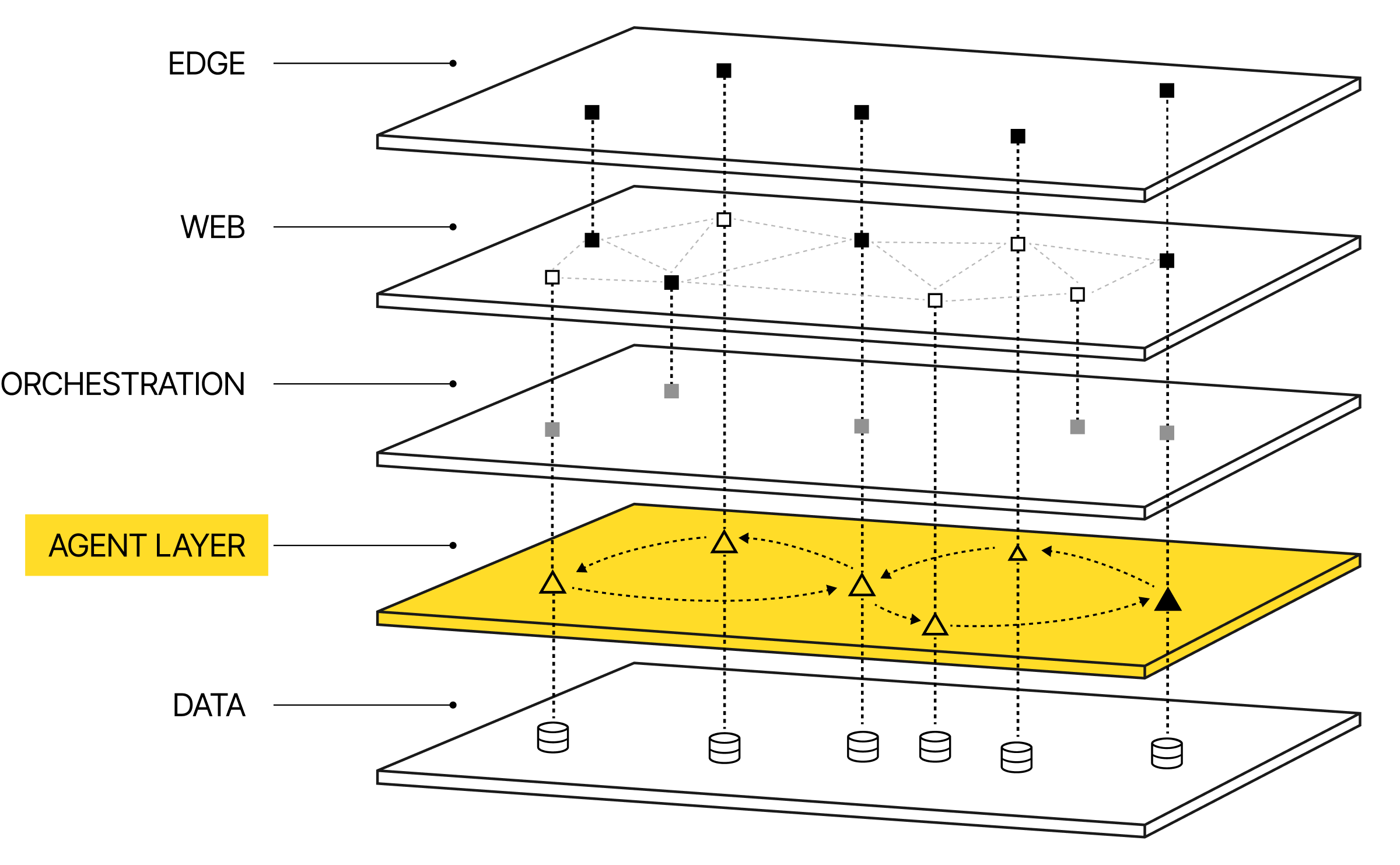
“I think we need to have an AI operating model based around the content and the systems that we already have. This AI operating model requires an AI harness—a shared space for humans and agents to get work done with the right permissions, guardrails, collaboration workflows, and human approval. I think when you have that, work is intent-based. It should be like, what am I trying to actually do? An AI harness can then coordinate humans and the agents around the applications and the workflows to get that work done. And that is a different way of thinking about how workflows and teams and technology operate together. If you do that, then marketers can ship code because it's governed code.”
Five questions every CMO should ask
You do not need to shut down every experiment or send every copy change through a six-week review. You do need to understand the reach of the systems your team controls.
In light of the Optimizely incident, I’d start with five questions every CMO should ask their teams – and be able to answer about the systems they control:
- Which systems can change the live customer experience? Inventory experimentation platforms, tag managers, personalization tools, chat widgets, analytics tools, and other services that can add or modify code or content.
- Who can make those changes? Map users, roles, shared accounts, vendor access, and dormant credentials. Remove access that no longer matches the job.
- What is the path from idea to live experience? Require preview, testing, attribution, and a reversible release path for changes that affect production.
- What is allowed on sensitive pages? Treat checkout, login, account, and payment flows differently from a campaign landing page. Define what can run there and who approves it.
- How quickly can marketing and engineering respond together? Agree on service levels for urgent launches, incident triage, rollback, and vendor escalation. Governance that makes the business unable to move will be bypassed; governance that is clear and fast is more likely to be used.
These questions do not eliminate risk. They make responsibility visible before an incident forces the organization to discover it in public.
Do not put the bottleneck back in engineering
That leaves us with a practical choice: put every change back behind an engineering queue, or give marketing a governed path to move quickly. Putting every change behind engineering would recreate the handoff problem the panelists described—and encourage teams to find another shortcut.
A better model is a shared production system in which marketing can move quickly inside boundaries everyone understands. Let marketers prototype. Let them work from approved components and design systems. Let teams use AI to increase the number of ideas they can explore. But make the route to production reviewable, attributable, testable, and reversible.
That is the WebOps lesson: we should not have to choose between marketing speed and engineering control. We need one operating model for the sites that matter.
At Pantheon, we think that means helping professional teams create, run, and evolve web experiences through reusable systems, reviewable workflows, permissions, automated checks, and a dependable path to production. The promise is not that a platform makes a website immune to attack. The promise is that teams can move fast while staying in control of what reaches customers.
The first step is simple. Find the dashboard that can change your website without an engineering deployment. Then find out who can log in.